
Gyumri — City of Black Tuff, Old Streets and Living History
This private Gyumri tour can be booked in two formats: with a professional driver, or with a professional driver plus a separate professional guide. You travel in a car of your chosen category — Standard, Comfort, Premium or Luxury — and professional drone filming can be added on request. The price is calculated individually.
Gyumri is a city you don't just see — you feel it. It is nothing like Yerevan: here the rhythm is different, the stone is different, the humour is different, the character is different. Historic houses of black and red tuff, old wooden balconies, the broad streets of Alexandropol, 19th-century churches and the mighty Black Fortress give it the atmosphere of a city with a very strong memory. Gyumri has lived through wars, earthquakes, changes of empire and of name, yet it has kept its own character. That is why this route isn't built only around individual sights: most of the tour is the city itself.
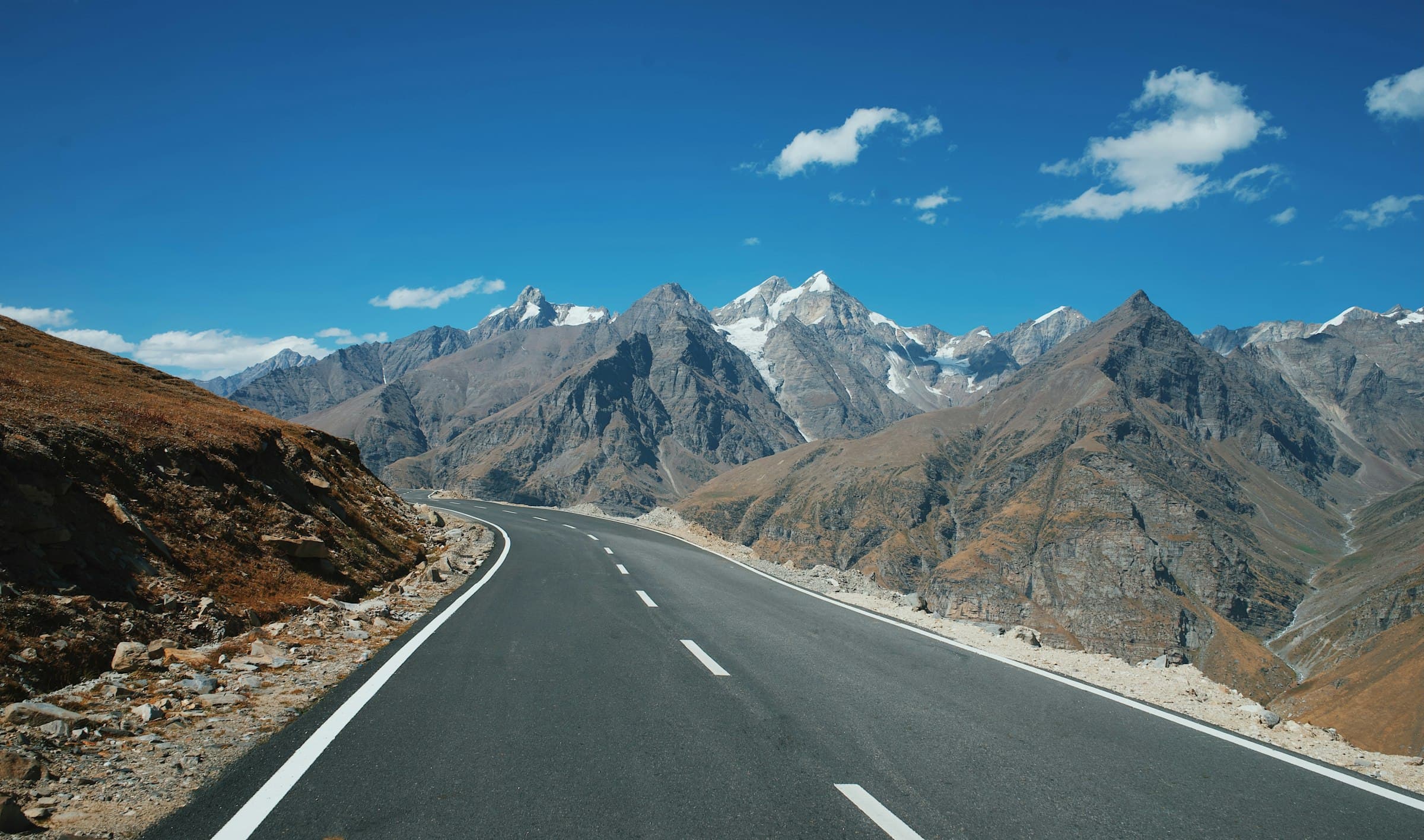
At the agreed time an Amaras Tour car arrives directly at your address in Yerevan — your hotel, apartment or another place arranged in advance. There is no shared meeting point: the tour is just for you and your companions. From Yerevan we head north-west towards the Shirak plateau, and the landscape grows ever more open along the way. Shirak lies considerably higher than Yerevan: the climate is different, there is more open space, the wind is stronger and winters are much colder. It is this harsh nature that largely shaped the character of the region and its architecture.
The main city of Shirak is Gyumri, the second-largest city in Armenia. Its history, though, goes back much further than the modern city: there were settlements on the site of Gyumri and in its surroundings in ancient times, while the urban look we know today began to take shape in the 19th century. Over its history the city has changed its name several times. The ancient name is Kumayri. In the 19th century it became Alexandropol, and that was when it grew especially fast. In Soviet times it was called Leninakan, and after Armenia regained its independence it got back its historic name, Gyumri. Each of these names reflects a separate era in the life of the city. After the region became part of the Russian Empire the city grew rapidly, with trade, crafts, military affairs, construction and urban culture all developing here. That is when much of the historic centre now known as Old Gyumri took shape.
Our first big stop is the famous Black Fortress, Sev Berd. Standing on high ground, it immediately makes a very different impression from Armenia's church complexes: this is a powerful 19th-century military structure. The fortress is built of local black volcanic tuff, and the colour of the stone gave it its name. It was built in 1834–1847, when the Russian Empire was strengthening its southern frontiers in the region; Gyumri then lay close to the strategically important border with the Ottoman Empire, so the city was gaining great military importance. The fortress's main task was to defend the city and the border territory. It stood on a high point from which the surrounding area could be controlled, and its almost round shape made it possible to defend the whole perimeter. Although it never saw a major siege, it played an important role in the region's military system. Thick walls, dark tuff and a closed layout give it a very austere, monumental look and remind you that it was built above all for defence. Today the fortress is also used as a cultural space.
The fortress grounds offer beautiful panoramas of Gyumri and its surroundings, and after exploring it we leave time for photos. From the heights you can clearly see the scale of the city, which makes this the perfect place to begin getting to know Gyumri: first look at it from above, then descend into the historic centre and walk its streets. Next comes the heart of the city, Vartanants Square, one of Gyumri's main squares. It is surrounded by buildings from different eras, and its two main churches form a recognisable architectural ensemble. The character of 19th-century Alexandropol is felt especially strongly here.
One of Gyumri's main symbols is the Amenaprkich (Holy Saviour) Church. Construction began in 1858 and went on for many years; the church became one of the largest and most prominent buildings in Alexandropol, and its tall silhouette can be seen from many parts of the city. Its architecture was inspired by the famous cathedral of Ani, once one of the capitals of medieval Armenia, whose architecture had an enormous influence on Armenian church building. In this way the Gyumri church became a kind of architectural bridge between 19th-century Alexandropol and great medieval Ani. On 7 December 1988 northern Armenia was struck by the catastrophic Spitak earthquake, and Gyumri, then Leninakan, was among the worst-hit cities. Amenaprkich was badly damaged, with parts of the building, including the dome, collapsing. Restoring the church took decades and meant more than architecture to Gyumri: its return became a symbol of how the city was gradually recovering from one of the heaviest tragedies in its history. Today Amenaprkich is once again one of Gyumri's main architectural symbols.
Vartanants Square is also home to another key church, Surb Astvatsatsin, better known as the Church of the Holy Seven Wounds (Yot Verk). It was built in 1843–1856. Its official name is Surb Astvatsatsin, the Holy Mother of God, but locals have long known it as Yot Verk, the Seven Wounds — a name linked to a revered image of the Virgin and the religious tradition of her seven sorrows. Yot Verk holds a special place in the city's spiritual history: even in the Soviet period, when many religious buildings were restricted, it remained an important centre of religious life, and today it is one of the most visited churches in Gyumri. The church was also damaged in 1988, and beside it you can see pieces of its former domes, left as a reminder of the earthquake. It is a very powerful detail that lets you see not museum history but the city's real memory.
After the main churches comes one of the most interesting parts of the route: a walk through Old Gyumri. This is where the city's true character is felt best. Much of the old centre belongs to the Kumayri historic district, where buildings from the 19th and early 20th centuries have survived. On the walk we'll see merchants' houses, craftsmen's quarters, old hotels, wooden balconies, stone facades, gates and inner courtyards, and buildings of pre-revolutionary Alexandropol. Many houses feature intricate stone carving, and even ordinary homes here can look like architectural monuments. One of the most atmospheric streets in Old Gyumri is Abovyan Street, where many historic buildings survive; walking this part of the city helps you understand what Alexandropol was like more than a hundred years ago.
Gyumri's architecture is impossible to imagine without tuff. Many buildings combine black and red tuff, and this pairing has become one of the city's architectural calling cards. Local masters knew how to combine different shades of stone: black walls were set off with red decorative elements, and red tuff framed windows, doors and architectural details, so that even austere facades look expressive. Old doors are a part of the city's culture in their own right — massive wooden leaves, metalwork and carving made the entrance an important part of the facade. Wooden balconies are just as characteristic. They create a special atmosphere that you simply can't feel from a car window, which is why Old Gyumri has to be explored on foot. Alexandropol was famous for its craftsmen: stonemasons, blacksmiths, jewellers, shoemakers, joiners, potters and metalworkers all worked in the city. Craft traditions were an important part of urban culture, and Gyumri still tries to preserve that identity today. But Gyumri can't be described by architecture alone — there is another famous part of its culture, Gyumri humour. Its people are known for their particular way of talking, self-irony, quick comebacks and a knack for finding humour even in hard times. In Gyumri, humour isn't just jokes; it's part of the city's character.
During the walk we also visit another important church of the old town, Surb Nshan. It was built in 1859–1864 of dark tuff, like many buildings in historic Gyumri, and was one of the important spiritual centres of Alexandropol. In the Soviet period it was not used for its original purpose: at different times it housed storerooms and a workshop making theatre sets. The church was seriously damaged in the 1988 earthquake and later restored, and today Surb Nshan is once again a working church and an important part of the city's historic face. It is impossible to tell the story of modern Gyumri without speaking of 7 December 1988. The devastating earthquake was one of the gravest tragedies in the history of Soviet Armenia: Leninakan suffered enormous destruction, thousands of people died, and homes, schools, factories and historic buildings were destroyed. Its consequences were felt for decades. Some buildings were restored, some vanished forever, and others still bear the scars of the tragedy. That is why modern Gyumri is at once old Alexandropol and a city that lived through 1988, and this double history is keenly felt on the walk. Despite all its trials, the city has not turned into a faceless modern space: it has kept its old streets, historic houses, churches, craft traditions, local humour and its own urban character. That is why many visitors say Gyumri is a city you want not just to photograph, but to listen to.
After the sightseeing we leave some free time: you can stroll the central streets, have a coffee, drop into small craft shops, buy souvenirs, take photos or sit in one of Old Gyumri's atmospheric cafés. On a private tour the length of free time is up to you. Meals are not included in the base price, but on request we can arrange lunch at one of Gyumri's restaurants — a good chance to get to know not only the architecture but also the cuisine of Shirak. The place can be chosen in advance or agreed during the tour. After the walk and free time we head back to Yerevan, and the Amaras Tour car drops you directly at your chosen address — your hotel, apartment or another agreed place. The whole trip takes roughly 9–10 hours. In a single day we'll see military history, Alexandropol, the Black Fortress, old Armenian churches, black-tuff architecture, the memory of the 1988 earthquake and the character of Gyumri today. Gyumri doesn't try to look perfect. Its old walls show the marks of time, and that is exactly where its real beauty lies. Amaras Tour — Gyumri: a city where history lives behind every old door.
Useful information
What's included: tour with a professional driver
The private tour can be booked in two different formats.
- Private car of your chosen category
- Professional driver
- Pickup directly from your address in Yerevan
- Black Fortress
- Vartanants Square
- Amenaprkich (Holy Saviour) Church
- Church of the Holy Seven Wounds (Yot Verk)
- Walk through Old Gyumri
- Historic quarters
- Abovyan Street
- Surb Nshan Church
- Free time
- All transfers on the programme
- Drop-off directly at your address
- Bottled water
- Armenian treats from Amaras Tour
The professional driver provides transport, but does not replace a professional guide.
What's included: tour with a professional guide
- Private car of your chosen category
- Professional driver
- Separate professional guide
- Pickup directly from your address
- The history of Shirak
- The story of Kumayri, Alexandropol, Leninakan and modern Gyumri
- Full guided tour of the Black Fortress
- The Russo-Turkish wars and the city's military history
- Guided tour of Vartanants Square
- The history of Amenaprkich Church
- The history of Yot Verk Church
- Guided walk through Old Gyumri
- The architecture of Alexandropol
- The history of old merchants' houses and craftsmen's quarters
- Visit to Surb Nshan Church
- The story of the 1988 earthquake
- Gyumri's culture, traditions and humour
- Free time
- Drop-off directly at your address
- Bottled water
- Armenian treats from Amaras Tour
The driver-only format and the driver plus separate professional guide format are priced separately.
Car categories
- Standard — a comfortable car for a private trip at the best value
- Comfort — a car with extra comfort for the Yerevan – Gyumri – Yerevan trip
- Premium — a high-end car with more space and comfort
- Luxury — an executive-class car for the most comfortable private journey
The specific car model is chosen based on the number of travellers, the selected category and vehicle availability on the tour date.
How the price is calculated
No fixed price is listed on this page. The price is calculated individually and depends on the following.
- Number of travellers
- Car category
- Format — professional driver, or driver plus a separate professional guide
- Length of the tour
- Additional sites
- Additional services
- Professional video filming
Once we have the details we need, Amaras Tour will calculate the exact price of your trip.
Entrance tickets
Visiting the city's working churches usually doesn't require a standard entrance ticket.
The Black Fortress is a separate cultural and tourist site, so visiting conditions and any ticket prices are checked for your specific date.
If you add museums or other paid sites in Old Gyumri, tickets are paid separately.
Professional drone filming
Professional drone filming can be added on request. Especially striking from the air are:
- Panoramas of the Shirak plateau
- The area around the Black Fortress
- Wide views of Gyumri
- Open panoramic spots beyond the dense city blocks
Aerial filming takes place only where it is permitted, in suitable weather and within safety restrictions. Flights in the historic centre and near monuments are decided separately.
What to bring
- Comfortable shoes
- A light jumper or windbreaker
- Something warm in the cold season
- A hat in summer
- Water
- Sunglasses
Gyumri lies higher than Yerevan and is often cooler and windier, especially in autumn, winter and early spring.
Physical effort
Easy. The main activity is a walk around the city, and no special fitness is required.
The pace can be adapted for children, older guests and families.
Seasons
Gyumri is worth visiting at any time of year.
In spring the city gradually comes to life and walks become pleasant. In summer it is usually cooler here than in Yerevan. In autumn the old tuff looks especially beautiful in the soft light.
In winter Gyumri takes on a very special atmosphere — snow, old black buildings and a true northern character.
Can the route be changed?
Yes. This is a private tour, so on request you can:
- Change the departure time
- Extend the walk through Old Gyumri
- Add a museum
- Add the house-museum of a famous Gyumri native
- Arrange a gastronomic lunch
- Add more churches
- Spend more time at the Black Fortress
- Add professional video filming
- Shorten the programme for families with children
If the tour is significantly extended, the price is calculated individually.
Departure and pickup
An Amaras Tour car picks you up directly at your address in Yerevan — your hotel, apartment or another place arranged in advance. There is no shared meeting point.
If you'd like a longer walk, a museum visit or an unhurried lunch, it's best to set off earlier.
- Meeting time: 08:45
- Departure: 09:00
Duration
Roughly 9–10 hours. The duration depends on:
- Traffic
- Time spent at the Black Fortress
- Length of the walking tour
- Church visits
- Lunch
- Free time
- Additional museums
- Photo and video filming
Who this tour is for
This tour is especially for those who want to see not monastic Armenia but real, historic urban Armenia. It suits:
- A first introduction to Gyumri
- Architecture lovers
- Anyone interested in 19th–20th-century history
- Families
- Couples
- Small groups
- Urban photography enthusiasts
- Anyone who loves old houses and streets
- Travellers who want to feel the local character
Route
- 1Black Fortress
- 2Vartanants Square
- 3Amenaprkich (Holy Saviour) Church
- 4Church of the Holy Seven Wounds (Yot Verk)
- 5Old Gyumri
- 6Historic streets of Alexandropol
- 7Surb Nshan Church
- 8Free time in the centre